Imagine trying to teach a child how to identify a cat. You wouldn’t write down a detailed set of rules like “must have two pointy ears, four legs, and a tail.” Instead, you’d show the child many pictures of cats until they could recognize one on their own. This is exactly how machine learning works – it’s a way for computers to learn from examples rather than following strict programmed rules.
The AI and Machine Learning Connection
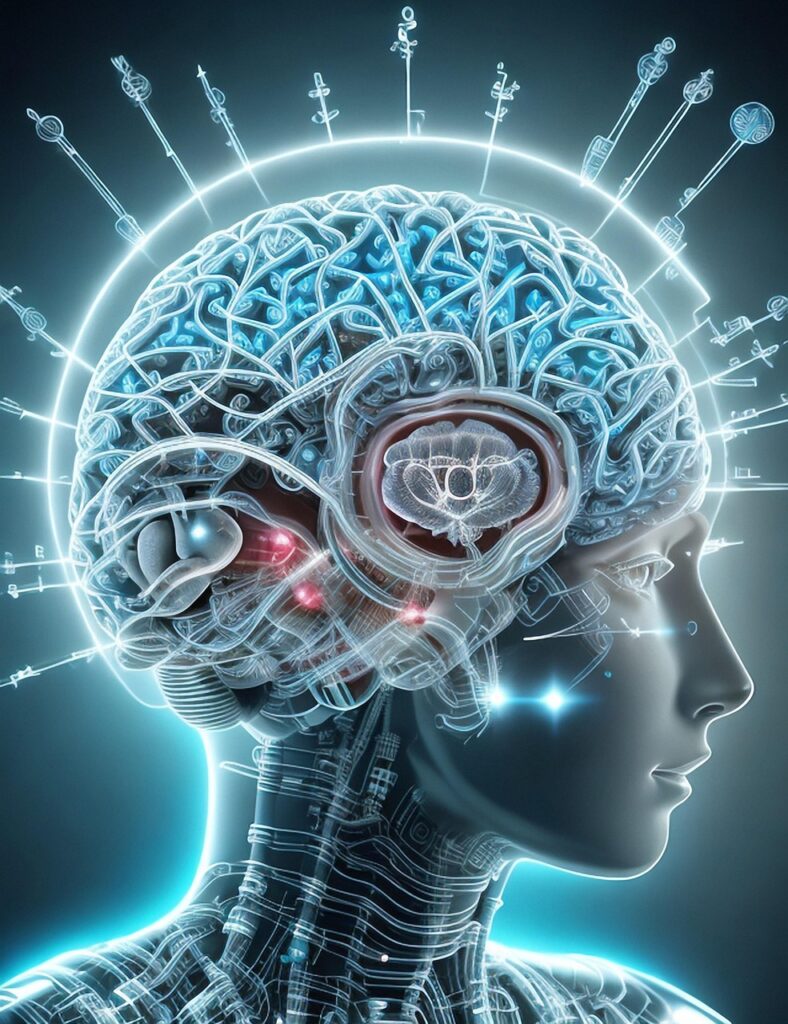
Think of artificial intelligence (AI) as a grand mansion, with machine learning being one of its most important rooms. While AI is the broader concept of machines being able to perform tasks that typically require human intelligence, machine learning is the engine that powers much of modern AI’s capabilities.
To understand this relationship better, imagine AI as a skilled chef and machine learning as their method of learning new recipes. The chef (AI) can create wonderful dishes, but it’s their ability to learn from experience and adjust their cooking based on feedback (machine learning) that makes them truly exceptional.
How Does Machine Learning Actually Work?
Let’s break this down with a simple analogy: teaching a computer to recognize ripe bananas.
Traditional programming would look like this:
But what about all the variations in between? This is where machine learning shines. Instead of rigid rules, we show the computer thousands of pictures of bananas labeled as “ripe” or “unripe.” The computer then learns to identify patterns and features that indicate ripeness, much like how we humans learn to recognize ripeness through experience.
Types of Machine Learning: The Three Learning Styles
1. Supervised Learning
Imagine a teacher working with a student using flash cards. The teacher shows a card and tells the student the correct answer. After many examples, the student learns to recognize new cards on their own.
Real-world applications:
2. Unsupervised Learning
Picture sorting through a huge box of Lego pieces. Without anyone telling you how, you naturally start grouping similar pieces together – all the red blocks, all the wheel pieces, all the flat pieces. This is how unsupervised learning works: finding patterns without being told what to look for.
Real-world applications:
3. Reinforcement Learning
Think of teaching a dog new tricks. You reward good behavior and discourage unwanted actions. The dog learns through trial and error what leads to treats and what doesn’t.
Real-world applications:
Machine Learning in Our Daily Lives
You’re already interacting with machine learning dozens of times each day, often without realizing it:
The Learning Process: How Machines Get Smarter
Imagine teaching someone to cook. At first, they might make mistakes – too much salt, undercooked pasta, burnt edges. But with each attempt, they learn from their errors and adjust their approach. Machine learning systems work similarly, but they can learn from millions of “attempts” in a fraction of the time it takes humans.
The process involves:
Getting Started with Machine Learning
Ready to dive deeper into the world of machine learning and AI? Our comprehensive certification programs cater to all skill levels, from complete beginners to advanced practitioners. We offer:
Take the first step in your machine learning journey! Contact us today for a free consultation to discuss how our AI certification training courses can help you achieve your goals. Whether you’re looking to switch careers, enhance your current role, or simply understand this transformative technology better, we’re here to guide you every step of the way.
Reach out to schedule your free consultation and learn how you can be part of the AI revolution.
Remember: Every expert was once a beginner. Your journey into machine learning starts with a single step – why not take it today?
While we try to answer all your questions with our website and blogs, you may still have a few questions for us to answer. We’d love to hear from you!